


Introduction
Heavy equipment plays a crucial role in the construction industry, making large-scale projects faster, safer, and more efficient. From excavation and grading to material handling and road construction, these machines help workers complete tasks that would be impossible or extremely time-consuming with manual labour. Whether building roads, skyscrapers, or bridges, construction machinery ensures precision and strength in every project.
Modern construction machinery is designed with advanced technology to improve efficiency and safety. Features like GPS tracking, automated controls, and real-time monitoring allow operators to work with greater accuracy while reducing errors. Additionally, safety enhancements such as enclosed cabins, stability controls, and advanced braking systems minimise workplace accidents. By using the right heavy equipment, construction companies can lower costs, reduce project timelines, and enhance overall productivity, making it an essential part of modern infrastructure development.
Excavators
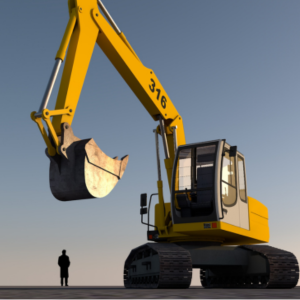
Definition and Uses in Construction
Excavators are powerful earthmoving machines used for digging, lifting, and heavy material handling. They consist of a rotating cab, a long arm, and a bucket, making them essential for excavation, trenching, and site preparation. Their versatility allows them to be used in large construction projects, including roadwork, demolition, and foundation digging.
Common Types: Crawler Excavators, Wheeled Excavators
Crawler excavators operate on tracks, providing stability and better traction on rough terrain. They are ideal for uneven or muddy sites. Wheeled excavators, on the other hand, use rubber tires, offering greater mobility and speed on paved surfaces. Both types serve specific project needs, improving efficiency in different site conditions.
Key Applications: Digging, Demolition, Material Handling
Excavators are primarily used for deep digging, making trenches, and removing large amounts of soil. They are also essential in demolition work, using attachments like hydraulic breakers to tear down structures. Additionally, they assist in material handling by lifting and placing heavy objects, such as pipes and construction debris, ensuring smooth workflow on-site.
Bulldozers
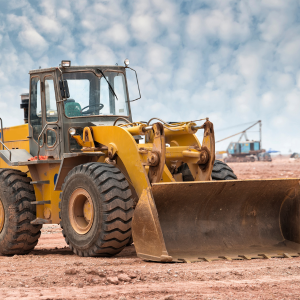
Purpose of Bulldozers in Earthmoving
Bulldozers are powerful machines designed for moving large amounts of soil, sand, and debris. They use a wide, flat blade to push materials, making them essential for land clearing, leveling, and site preparation. Their strong build and high traction allow them to operate efficiently on rough and uneven terrains.
Types of Bulldozers: Crawler, Wheeled
Crawler bulldozers run on tracks, providing better grip and stability on soft or muddy ground, making them ideal for heavy-duty earthmoving. Wheeled bulldozers, equipped with rubber tires, offer greater speed and maneuverability on firm surfaces. Both types are used depending on site conditions and project requirements.
Applications: Land Clearing, Grading, Pushing Materials
Bulldozers are commonly used to clear land by removing trees, rocks, and debris. They are also essential for grading, leveling surfaces to prepare for roads or buildings. Additionally, they push heavy materials like soil and gravel, ensuring smooth and stable ground for construction projects.
Loaders
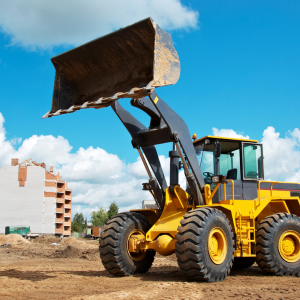
Role of Loaders in Material Handling
Loaders are essential construction machines used for lifting, transporting, and loading materials like soil, gravel, and debris. They feature a front-mounted bucket that allows quick movement of heavy loads. Their versatility makes them useful in excavation, road construction, and site cleanup, improving efficiency in material handling tasks.
Types: Front-End Loaders, Skid Steer Loaders, Backhoe Loaders
Front-end loaders are large, powerful machines designed for bulk material movement. Skid steer loaders are compact and highly maneuverable, ideal for tight spaces. Backhoe loaders combine a loader at the front with an excavator arm at the rear, making them suitable for multiple construction and excavation tasks.
Uses in Transporting, Lifting, and Loading Materials
Loaders are widely used for transporting materials across construction sites, lifting heavy loads, and loading materials onto trucks. They help speed up excavation, backfilling, and stockpiling processes, ensuring smooth workflow in construction projects. Their ability to handle diverse tasks makes them a valuable asset in the industry.
Cranes
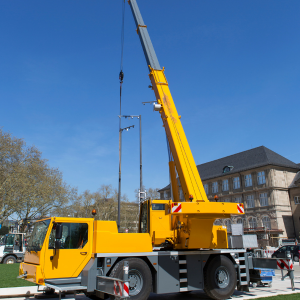
Importance of Cranes in Lifting Heavy Materials
Cranes are essential for lifting and moving heavy materials in construction projects. They provide stability and precision, enabling the safe transport of steel beams, concrete panels, and other large structures. Their ability to reach great heights makes them crucial for large-scale developments like skyscrapers and industrial sites.
Common Types: Tower Cranes, Mobile Cranes, Telescopic Cranes
Tower cranes are fixed to the ground and used for high-rise construction. Mobile cranes are versatile, mounted on vehicles for easy transport and quick setup. Telescopic cranes have extendable arms, allowing them to adjust their height and reach, making them ideal for projects requiring flexibility in lifting operations.
Applications in High-Rise Construction, Bridge Building
Cranes play a vital role in constructing tall buildings by lifting heavy materials to upper floors. They are also essential in bridge construction, helping position large beams and structural components. Their strength and precision enable safe and efficient assembly of complex infrastructure projects.
Dump Trucks
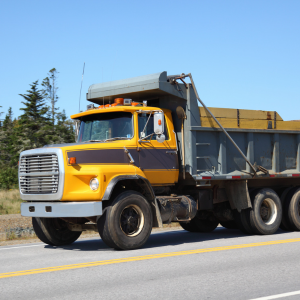
Function of Dump Trucks in Transporting Construction Materials
Dump trucks are essential for transporting heavy construction materials like sand, gravel, and demolition debris. They feature a large open-box bed that tilts to unload materials quickly. Their ability to carry and dump large loads efficiently makes them crucial for earthmoving, excavation, and waste removal on job sites.
Types: Standard Dump Trucks, Articulated Dump Trucks
Standard dump trucks have a rigid frame and are ideal for urban construction projects with paved roads. Articulated dump trucks have a flexible, pivoting joint, making them suitable for rough terrains and off-road conditions. Both types ensure efficient material transport based on site requirements.
Usage in Moving Debris, Sand, Gravel
Dump trucks help clear construction sites by moving debris after demolition or excavation. They also transport sand and gravel for road construction and foundation work. Their high load capacity and durability make them indispensable for large-scale construction and mining projects.
Graders
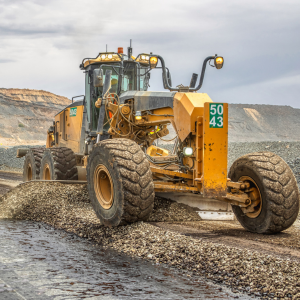
Function of Graders in Levelling Surfaces
Graders are essential for creating smooth and even surfaces in construction projects. They use a long blade to level soil, gravel, or asphalt, ensuring a uniform foundation. This process improves drainage, enhances road durability, and prepares surfaces for paving, making them crucial in roadwork and site preparation.
Types: Motor Graders, Rigid Frame Graders
Motor graders are self-propelled machines with adjustable blades, commonly used for large-scale roadwork. Rigid frame graders have a fixed frame and are ideal for precision grading in smaller projects. Both types ensure accurate surface levelling based on the project’s requirements.
Use in Road Construction and Surface Finishing
Graders are widely used in road construction to create a stable base before asphalt or concrete is applied. They also refine surfaces in landscaping and construction, ensuring a smooth finish for highways, airport runways, and site preparation. Their precision improves the quality and longevity of infrastructure projects.
Road Rollers

Purpose of Road Rollers in Compacting Soil and Asphalt
Road rollers are essential for compacting soil, asphalt, and other materials to create a stable surface. They apply heavy pressure to eliminate air gaps, increasing soil density and ensuring durability. This process enhances road strength, prevents future settling, and improves load-bearing capacity for long-term stability.
Different Types: Vibratory Rollers, Pneumatic Rollers
Vibratory rollers use rapid vibrations to compact materials efficiently, making them ideal for asphalt and granular soil. Pneumatic rollers have rubber tires that provide uniform compaction, improving bonding between materials. Each type is selected based on soil conditions and project requirements.
Importance in Road Construction and Groundwork
Road rollers play a crucial role in road construction by ensuring smooth, even surfaces that enhance vehicle safety. They are also used in groundwork preparation for buildings, highways, and airports, providing a solid foundation for long-lasting infrastructure projects.
Backhoe Loaders
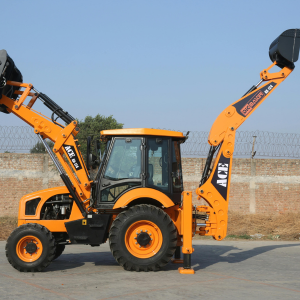
Versatility of Backhoe Loaders in Digging and Material Handling
Backhoe loaders are highly versatile machines used for digging, lifting, and material handling. Their compact size and multi-functionality make them ideal for construction, agriculture, and utility work. They efficiently perform tasks like trenching, excavation, and debris removal, making them essential for both small and large-scale projects.
Structure: Front Loader + Rear Excavator
A backhoe loader features a front-end loader for lifting and transporting materials and a rear excavator (backhoe) for digging and trenching. This dual-purpose design allows operators to switch between tasks without changing equipment, increasing efficiency on job sites. Its hydraulic system enhances precision and power in various construction activities.
Common Applications: Trenching, Small-Scale Excavation, Landscaping
Backhoe loaders are widely used for trenching in utility installation, small-scale excavation in urban projects, and landscaping tasks like grading and moving soil. Their ability to navigate tight spaces while performing heavy-duty work makes them indispensable for roadwork, residential construction, and land development.
Conclusion:
In construction, heavy equipment plays a vital role in ensuring projects are completed efficiently and safely. Each machine, from excavators and bulldozers to cranes and dump trucks, serves a unique purpose, whether it’s for digging, lifting, compacting, or transporting materials. Understanding the capabilities and applications of each type of equipment is crucial for selecting the right machinery for the job. Choosing the appropriate construction equipment not only improves worksite productivity but also ensures the safety and quality of the project. By making informed decisions on machinery, construction teams can streamline operations, reduce costs, and achieve better results on time and within budget.